Blueprints and Breakthroughs: Essential Resources for Emerging Entrepreneurs

Starting a business can feel like juggling a flaming torch while standing on a moving train—your focus is tested, your patience stretched, and your resources quickly put to the test. For those entering the arena, the challenge isn’t just about having an idea worth pursuing; it’s about building the scaffolding to support and expand that vision. In today’s landscape, an overwhelming array of tools and services promise to lighten the load. The key is knowing which ones actually earn their keep. From financial dashboards to mentorship networks, there’s a spectrum of options that don’t just keep operations afloat—they push them forward with deliberate force.

Marketing Without the Guesswork

Gone are the days when marketing was a blindfolded dart throw at a crowded bulletin board. Tools like Canva, Mailchimp, and HubSpot transform promotion from a chaotic chore into a calculated, creative process. They arm entrepreneurs with the means to design compelling visuals, craft targeted email campaigns, and track the behavior of potential customers in real time. The result isn’t just more reach—it’s better reach, cutting through noise to find the audience that actually cares. In an environment where attention is currency, precision beats volume every time.

Project Management That Actually Manages

An idea can collapse under the weight of poor execution, and this is where platforms like Trello, Asana, and Monday prove invaluable. They take the chaos of sticky notes, scattered emails, and missed calls and funnel it into a single, organized flow. Assigning deadlines, tracking tasks, and visualizing progress keeps teams aligned even when they’re continents apart. For entrepreneurs, this structure means less time wondering who’s doing what—and more time focusing on why the work matters in the first place.

One Platform to Keep It All in Motion

Entrepreneurs often face the headache of juggling multiple disconnected tools, each handling a small piece of the bigger picture. An all-in-one solution like ZenBusiness streamlines operations by offering integrated tools for business formation, branding, compliance, and growth under one roof. Whether you're forming an LLC, managing compliance, creating a website, or handling finances, this type of platform can provide comprehensive services and expert support to ensure business success. By centralizing these essential tasks, founders can focus less on managing systems and more on building momentum.

Mentorship Networks That Open Doors

Knowledge has always been a form of currency, and for the uninitiated, access to experienced guidance can feel like striking gold. Organizations such as SCORE and platforms like LinkedIn’s professional groups connect new founders with mentors who’ve already weathered the storms of scaling and stumbling. The right conversation can save months of trial and error, and in many cases, these connections also lead to opportunities far beyond advice. For entrepreneurs, building a business is never just about the product—it’s about the people who help shape the journey.

Analytics That Tell the Truth

Making decisions without data is the entrepreneurial equivalent of steering a car blindfolded. Google Analytics, Hotjar, and Mixpanel provide unfiltered insights into how customers are finding, using, and leaving a business’s offerings. The difference between guessing and knowing which page causes visitors to bounce or which campaign leads to conversions can be the difference between profit and loss. With these tools, founders can pivot with confidence, guided by facts rather than gut feelings alone.

Capital Access Beyond the Bank

While traditional loans remain a lifeline for many, an increasing number of entrepreneurs are turning to platforms like Kickstarter, Indiegogo, and Kiva to raise funds. These channels don’t just supply capital; they build a community of early adopters who become invested—literally and emotionally—in the brand’s success. Crowdfunding often doubles as a marketing tool, giving visibility while validating an idea before it scales. For those navigating the often murky waters of business finance, these platforms offer both liquidity and loyalty in one stroke.

The early chapters of a business’s life are often defined by the tools and alliances chosen at the outset. Picking the right resources isn’t about following trends—it’s about aligning support systems with the mission, vision, and working style of the founder. The modern entrepreneur has the advantage of choice, with technology and networks designed to strip away friction and make space for growth. With the right combination, the uphill climb of building something from nothing becomes less about survival and more about setting the pace for a venture’s next breakthrough.


Discover unparalleled opportunities to connect, build, and grow your business with the Newton Chamber of Commerce — where networking meets success in East Atlanta!
Contact Information
The CTA, BOI and FinCEN: What Does this Mean for Newton County, GA Businesses?


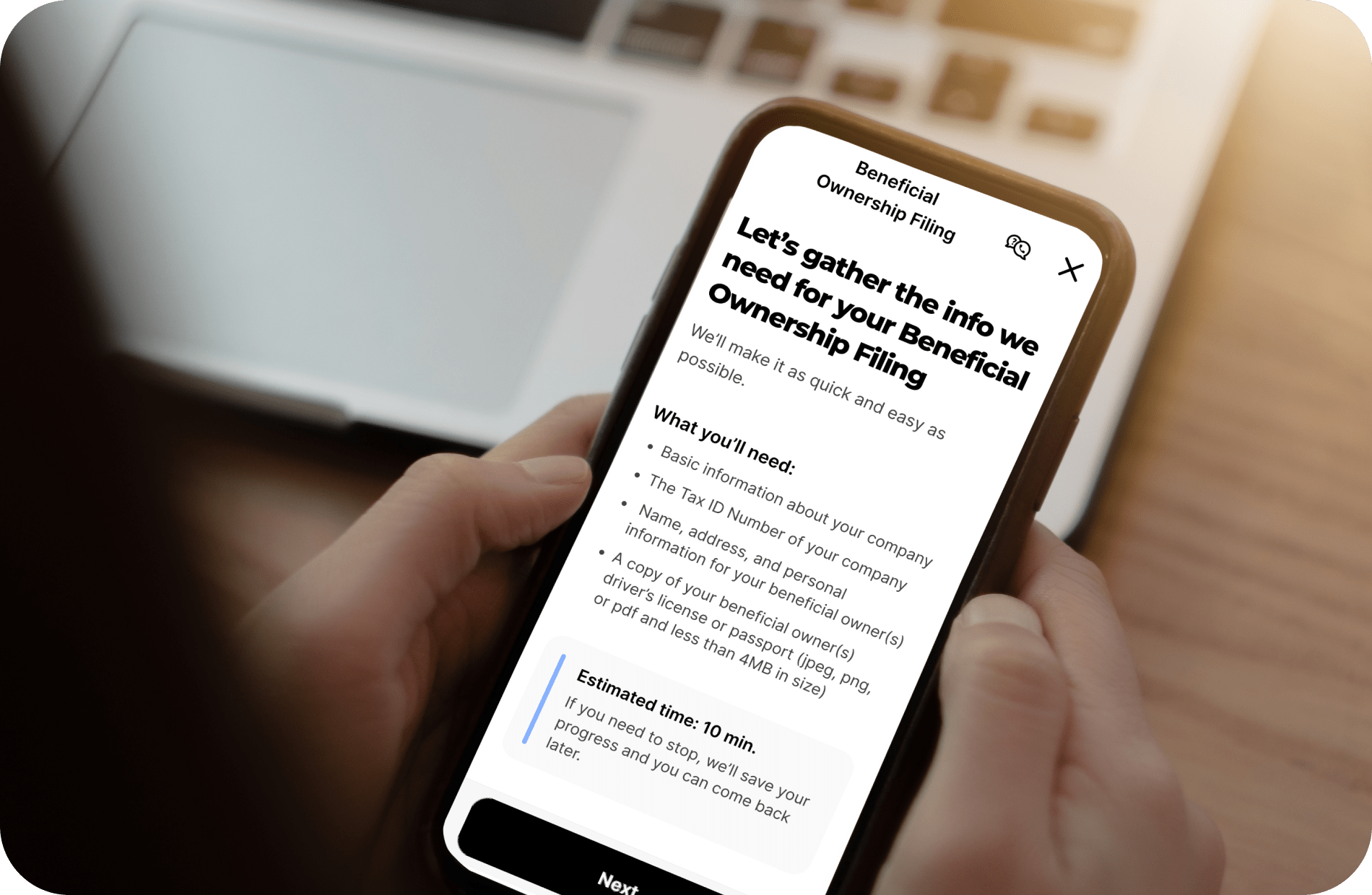
The Corporate Transparency Act may require certain U.S. companies to disclose beneficial ownership information to FinCEN to combat financial crimes.

While a Texas federal district court’s preliminary injunction puts this requirement on hold, many experts expect that to be overturned. In that event, failure to file could lead to fines of $500 per day, up to a maximum of $10,000, and possible criminal penalties.

Read more for details on how this may impact your business in the future.

1. Determine if Your Business Must File.

A “reporting company” is any small business, corporation, or LLC that is registered with the state, unless exempt. Exemptions apply to publicly traded companies, banks, and charities. For example, a local restaurant in Newton County, GA would likely need to file a BOI report.

2. Identify Your Beneficial Owners.

A “beneficial owner” is someone who either has substantial control over a company or owns at least 25% of it. For instance, in Newton County, if a partner owns 40% of a local pottery studio and is actively involved in making key operational decisions, they are considered a beneficial owner.

3. Gather the Required Information.

Prepare:

  • Business name, address, and EIN.

  • Beneficial owners’ names, addresses, DOBs, and ID details.

4. File Your BOI Report.

Deadlines:

  • Existing businesses: File by 01/01/2025.

  • New companies (2024): File within 90 days of formation.

  • New companies (2025+): File within 30 days of formation.

ZenBusiness offers support and guidance for businesses in Georgia filing BOI reports, ensuring compliance with FinCEN requirements.

Penalties for Non-Compliance:

While a Texas federal district court’s preliminary injunction puts this requirement on hold, many experts expect that to be overturned. In that event, failure to file could lead to fines of $500 per day, up to a maximum of $10,000, and possible criminal penalties. FinCEN provides a 90-day safe harbor period for corrections without penalties.

No action is needed immediately, but if you decide to move forward with filing your BOI in Georgia, you can avoid hassles by filing with the quick and accurate assistance of ZenBusiness.

Additional Resources:

We want to hear from you!

Your feedback matters! Complete our BOI survey by December 18, 2024, and for every 25 responses, our Chamber will receive a $100 donation! Take the survey here! Thank you for your support!

As of December 3, 2024, a Texas federal district court has issued a preliminary injunction for all states to block the CTA and its relevant regulations. However, filing your BOI will help you avoid fines if this injunction is overruled.

 
Contact Information
Adobe Acrobat AI Assistant: All You Have to Do Is Ask Acrobat’s Generative AI Document & PDF Tool

Adobe Acrobat has long been an invaluable tool for business owners, entrepreneurs, and employees all over the world thanks to its wide array of PDF generation and editing tools. Now, Acrobat AI Assistant offers new benefits for businesses of all sizes. Acrobat AI Assistant’s revolutionary software can transform your business with its incredible features:


Intelligent Search and Retrieval: Entrepreneurs frequently need to access specific information buried within a vast collection of documents. The AI Assistant enables intelligent search and retrieval by analyzing the content of PDFs and providing relevant citations. By having citations that validate the quality of responses, entrepreneurs can see directly what has informed each response and follow the citation if they need to learn more. This way, business leaders can find reliable data and their references quickly, improving productivity and decision-making.


Enhanced Document Understanding: The AI Assistant utilizes machine learning algorithms to understand the content and structure of PDF documents better. For entrepreneurs dealing with complex contracts, business plans, or legal documents, this capability can help extract key information more efficiently.


Content Summarization and Insights: Long documents can be overwhelming to review, especially for busy entrepreneurs. The AI Assistant can automatically summarize content, highlight key points, and provide insights based on the document's context. This functionality enables entrepreneurs to grasp essential information at a glance, facilitating faster decision-making and prioritization of tasks.


Data Extraction: Extracting data from documents is crucial for tasks like compiling financial reports and analyzing market trends. The AI Assistant can automatically extract relevant data from PDFs, saving entrepreneurs the hassle of manual data entry and reducing the risk of errors.


Data Insights: Making data-driven decisions is essential for entrepreneurial success. The AI Assistant can analyze data within your documents and provide insights and recommendations based on patterns and trends it identifies. Whether you're analyzing market research reports or financial statements, this feature can help you uncover valuable insights and make more informed decisions for your business.


Workflow Automation: Entrepreneurs are often pressed for time and need to streamline their workflows wherever possible. The AI Assistant can automate repetitive tasks like document formatting, data extraction, and file organization, allowing entrepreneurs to focus on more strategic aspects of their business. By automating routine tasks, entrepreneurs increase their efficiency and productivity.


Bryan Bonilla’s business, fashion brand Pirate Worldwide, has been transformed by Acrobat AI Assistant. He finds inspiration for his company’s next great products by studying industry trend reports, a task made quicker, simpler, and more efficient with Acrobat AI Assistant.


“Adobe Acrobat AI Assistant is super helpful because it allows me to weed through everything I don’t need and get to what is inspiring,” Bryan says.


He also uses it to sharpen his entrepreneurial skills. Whether he’s studying up on how to more efficiently run a fashion enterprise or learning about the latest fashion trends consumers are excited about, Adobe’s powerful new tool provides him a one-of-a-kind way to grow his business.


“I use it to get to the main points of a document,” he explains. By asking Acrobat AI Assistant to “provide a list of the five most important points, it generates a response. Some of these [business PDFs] are 90 pages long. It could take hours, but AI Assistant condenses all that and gets to the answers that I actually need literally in minutes. It’s asking it certain questions, and then you have something you can build on and then come out with completely new ideas.”


Adobe Acrobat has been an indispensable tool for businesses worldwide, offering a wide range of PDF generation and editing features. Now, with the introduction of Acrobat AI Assistant, businesses of all sizes can benefit from revolutionary software that can transform their operations. From content summarization and insights to data extraction and intelligent search and retrieval, the AI Assistant enhances productivity and decision-making for entrepreneurs. By leveraging machine learning algorithms, it offers enhanced document understanding, empowering entrepreneurs to streamline workflows and make more informed decisions. Acrobat AI Assistant is poised to revolutionize document management and optimization, helping entrepreneurs drive business growth and success. Learn more about Acrobat AI Assistant.
Building Success as an Immigrant Entrepreneur with These Proven Strategies

Starting a business abroad involves navigating both obstacles and opportunities that demand creativity and adaptability. Immigrant entrepreneurs often introduce new ideas but must also master local regulations and cultural differences. Success relies on resilience and a thoughtful approach to handling challenges. Utilizing digital tools, improving communication, and understanding local market preferences can help create a competitive edge. Turning barriers into opportunities requires a willingness to embrace change.

Empower Your Journey with Language and Business Courses

Participating in language and business courses specifically designed for immigrant entrepreneurs can significantly enhance your ability to navigate the business landscape in a new country. These courses provide essential knowledge in areas such as business planning, financing, and marketing, and are available in multiple languages. By improving your command of the local language, you can overcome communication barriers, which is crucial for effective networking and business operations. Additionally, these courses offer practical insights into cultural integration, helping you to better understand and adapt to the local business environment. Investing time in these educational opportunities can increase your chances of entrepreneurial success and enable you to make a lasting impact.

The Crucial Role of Digital Contracts in Business Success

In the fast-paced world of entrepreneurship, contracts are essential for establishing clear and legally protected business relationships. By embracing digital tools that allow you to sign and fill out PDF forms online, you can streamline the process of drafting terms and contracts for clients and vendors. This approach not only saves time but also enhances efficiency by eliminating the need for physical paperwork, allowing your clients to sign documents without printing them out. By reducing administrative burdens, you can focus more on growing your business and less on managing paperwork. If you’re ready to give this strategy a try, give this a read to get started.

Mastering Communication Styles for Entrepreneurial Success

Adapting to various communication styles is crucial for thriving in diverse business environments. By understanding and embracing different styles—such as assertive, passive, aggressive, and passive-aggressive—you can enhance collaboration and reduce misunderstandings within your team. This flexibility not only fosters a more inclusive workplace but also strengthens relationships with clients and stakeholders from varied cultural backgrounds. Effective communication is about building bridges that lead to innovation and success. Utilizing resources like an online diversity calendar can further enhance your team’s appreciation of global communication styles.

Understanding and Adapting to Local Consumer Preferences

To successfully navigate the challenges of entrepreneurship in a new country, aligning with local consumer preferences is crucial. Recognize that today’s consumers are increasingly strategic in their purchasing decisions, often opting for store-brand alternatives over well-known labels. Understanding these trends can help you tailor your offerings to meet local demands. By focusing on sustainability and offering flexible purchasing options, you can appeal to the social and emotional interests of younger consumers, who are particularly conscious of environmental impacts. Additionally, leveraging collaborations with influencers can enhance your brand’s reach.

Harnessing Social Media to Connect with Diverse Audiences

To effectively engage with a diverse audience through social media, it’s crucial to blend innovative strategies with proven techniques. By deeply understanding your audience’s demographics and psychographics, you can create content that resonates emotionally, thereby increasing engagement and shares. Utilizing analytics tools allows you to tailor your content to specific audience segments, ensuring that your message reaches the right people. Additionally, investing in paid advertising can enhance your brand’s visibility, especially as organic reach declines on platforms like Facebook and Instagram. Leveraging user-generated content and interactive elements such as polls and quizzes can foster a sense of community and authenticity, further boosting engagement.

Guerrilla Marketing for Immigrant Entrepreneurs

As an immigrant entrepreneur, you can leverage cost-effective guerrilla marketing strategies to generate excitement and draw in customers without breaking the bank. These unconventional tactics, such as viral and street marketing, are designed to create memorable experiences that resonate with your audience, fostering strong emotional connections. By integrating these methods with online platforms, you can amplify your reach and engage a broader audience. This approach not only enhances brand visibility but also encourages word-of-mouth promotion, which is crucial for small businesses operating on limited budgets. Adopting guerrilla marketing can help you stand out in a crowded marketplace, ensuring your brand remains top-of-mind for potential customers.

Building Trust Through Influencer Marketing

Utilizing influencer marketing within immigrant communities can significantly enhance trust and credibility for businesses aiming to connect with these diverse groups. By collaborating with influencers who share cultural backgrounds and languages with the target audience, businesses can effectively bridge communication gaps and foster genuine connections. This approach not only helps in overcoming language barriers but also addresses cultural misunderstandings, as influencers can tailor messages that resonate authentically with their followers. Engaging with influencers who are respected within their communities can mitigate potential mistrust, as these figures often hold sway over public opinion and can vouch for the brand’s intentions.

Invest in Digital Tools for Competitive Edge

In the dynamic world of business, leveraging digital tools to track your competitors’ online activities can be a game-changer. By utilizing platforms that provide timely alerts on changes in your competitors’ pricing, product launches, and marketing strategies, you can refine your own strategies, ensuring that you remain competitive and responsive to market shifts. Integrating these insights into a centralized system can enhance decision-making across your team, making valuable information readily accessible. Adopting these digital tools not only keeps you informed but also empowers you to make strategic moves that can lead to sustained business growth.


The journey of an immigrant entrepreneur is filled with both challenges and opportunities. By adopting innovative strategies and embracing the unique perspectives that come with being an immigrant, you can build a business that not only thrives but also contributes meaningfully to your new community. The key lies in understanding the local market, leveraging technology, and fostering genuine connections with diverse audiences. With determination and strategic planning, immigrant entrepreneurs can transform their ventures into successful enterprises that stand out in the global marketplace.

Discover the vibrant business community with the Newton Chamber of Commerce and unlock opportunities for growth and collaboration today!
Building Your Business Buffer: Essential Financial Safety Tips

Starting and running a small business comes with its fair share of financial challenges. To ensure the longevity and success of your venture, it's crucial to establish a robust financial safety net. This guide outlines a few essential steps to help you create a solid financial foundation for your small business. These steps are designed to provide a comprehensive approach, covering various aspects, from cash flow management to strategic decisions regarding assets.


Charting the Course with Cash Flow Projections


Developing a cash flow projection is an indispensable step. This tool allows you to anticipate revenue and expenses accurately. With it, you can plan for potential financial ups and downs, ensuring you have the necessary funds to cover your business's needs. A well-crafted projection also aids in strategizing for growth and preparing for unforeseen circumstances.


Get a Document Management System Using PDFs Up and Running


Implementing a document management system (DMS) is paramount for small business owners to safeguard their financial stability. By organizing and centralizing crucial business documents (including invoices, receipts, and financial statements), they create a safety net that ensures easy access to critical information in times of need. With a DMS in place, they can mitigate the risks associated with lost or misplaced documents, streamline auditing processes, and enhance overall efficiency.


Moreover, converting documents to electronic formats within the DMS, like PDFs to Excel, enables seamless manipulation and analysis of tabular data, providing a more versatile and editable format. Small business owners can use this tool to convert PDF to Excel, allowing for efficient data handling and facilitating better financial decision-making. After making necessary edits in Excel, they can conveniently resave the file as a PDF, ensuring compatibility and ease of sharing.


Performing a Financial Health Check-Up Regularly


Consistently monitoring financial statements, like income statements and balance sheets, is vital. This practice helps you understand your business’s financial health. You can identify trends, spot potential issues, and make informed decisions. Regular reviews of these documents can lead to more strategic financial planning and improved fiscal responsibility.


Separating Personal and Business Finances


Maintaining a clear separation between personal and business finances is crucial. This separation simplifies tracking expenses and ensures financial transparency. It also protects your personal assets from business liabilities and streamlines financial management, making it easier to understand the financial performance of your business.


Maintaining a Good Credit Score


Your credit score is critical, especially when considering business loans. Lenders use this score to assess repayment likelihood and determine interest rates and terms. Maintaining a good credit score, ideally over 740, is essential for securing favorable loan options. This score reflects your financial reliability to potential lenders and investors.


Seeking Sage Professional Advice


Working with a financial advisor or accountant is highly beneficial. They can provide expert guidance on managing your business's finances. Their expertise is invaluable in making informed financial decisions and navigating complex tax matters. These professionals can offer insights that may not be apparent to the untrained eye, adding significant value to your financial strategies.


Fostering Beneficial Financial Partnerships


Cultivating strong connections with potential lenders or investors is key. Building trust and rapport can open doors to funding opportunities, which is crucial for your business to thrive and expand. These relationships can provide access to resources and advice, enhancing your business’s ability to respond to market changes and growth opportunities.


Acquiring Equipment Wisely


Carefully evaluate whether to lease or purchase equipment. Leasing can provide flexibility and reduce upfront costs while buying may offer long-term savings. Each option has its merits, and the decision should align with your financial goals and current business needs. This strategic choice can significantly impact your financial flexibility and operational efficiency.


Creating a financial safety net for your small business is a fundamental step toward its success and sustainability. By following key steps like using a PDF document management system, separating your business finances from your personal accounts, and creating beneficial financial relationships, you'll be better equipped to navigate the financial challenges that come your way and ensure a brighter financial future for your business. This journey requires diligence, foresight, and strategic planning, but the rewards are a more resilient and prosperous business.


Join the Newton Chamber of Commerce to get the tools and make the connections you need to build a winning business in our community!

Clear the Desk: How Small Business Owners Can Cut Through Admin Clutter Without Losing Their Minds

In the early stages of building a business, ambition often outpaces infrastructure. Paper piles, unread emails, missed deadlines—these aren't just annoying; they're dangerous distractions that siphon energy from growth and creativity. For small business owners juggling roles from CFO to head of customer support, the administrative load can quietly balloon until it becomes the whole job. But it doesn’t have to be this way. There are grounded, practical ways to bring sanity back to the workday without hiring a fleet of assistants or losing a weekend to workflow software.

Automate What No One Should Be Doing by Hand

Plenty of administrative work gets repeated without question: scheduling meetings, sending reminders, filing receipts, copying data from one platform to another. These are red flags for automation. Tools like Zapier or Make can create connections between apps, automatically handling repetitive actions. Email responders, calendar integrations, and invoice generation are all ripe for automation, giving small business owners the chance to spend time on work that requires a human touch instead of clicking through spreadsheets. Automation doesn’t eliminate jobs—it eliminates distractions.

Tighten Up the Tech Stack

The more platforms in play, the more fragmented the day becomes. Business owners often layer on software over time: one for time tracking, another for project management, a third for accounting. But too many tools mean too many tabs—and that’s where focus goes to die. A practical fix is to audit the current tools and consolidate where possible. Many platforms now offer broad capabilities: Notion, ClickUp, or Monday can manage tasks, documents, and collaboration under one roof. Less switching means less stress, and more coherent workflows.

Outsource with Intention, Not Panic

Outsourcing isn’t a life raft for when things go wrong; it should be a proactive part of the plan. Virtual assistants, freelance bookkeepers, and part-time operations managers are within reach for most small businesses—and the right person can make a bigger difference than another app ever will. But the key is clarity. Outsource tasks that are recurring, well-documented, and don’t require strategic input. A clear SOP (standard operating procedure) turns chaos into something someone else can handle smoothly. That’s not just delegation—it’s an investment in peace of mind.

Secure Files Without Slowing Down

Keeping business documents secure shouldn’t mean burying them under layers of friction. Security policies that are too rigid—like locking every PDF with a unique password no one remembers—can turn a five-minute task into a game of digital hide and seek. Removing unnecessary password restrictions from PDFs can eliminate workflow bottlenecks and improve accessibility for authorized team members. If you're unsure how to unlock a protected file, you can read here to learn how to remove a password and streamline your access protocols without compromising safety.

Batch the Boring Stuff

Context switching wrecks productivity. Answering one email, checking one invoice, logging one expense—spread out across a day, these things fracture attention. Instead, batching similar tasks into scheduled blocks can restore focus and reduce mental fatigue. Set aside time once or twice a week to knock out all admin work at once. This approach doesn’t just make work faster; it makes the rest of the day feel lighter. It’s easier to lead a meeting or write a pitch when no nagging to-do is nipping at the back of the brain.

Set Boundaries Around Admin Time

Efficiency isn’t just about tools and tactics—it’s also about discipline. Administrative work has a sneaky way of expanding to fill whatever time is available. One powerful way to fight back is to limit when this type of work gets done. Setting clear time windows for administrative tasks—like mornings from 9 to 10, or Friday afternoons only—forces prioritization. This rhythm keeps the rest of the week open for high-impact work like strategy, marketing, or client relationships. It’s not about rigidity; it’s about reclaiming the calendar from the tyranny of minutiae.

Administrative work will never go away completely, but it shouldn’t be the main event. When systems are simple, tasks are batched, and digital clutter is cleared, there’s more room to think, lead, and build. Business owners don’t need to run lean for the sake of minimalism; they need to run lean so they can actually run. A streamlined back office isn’t just tidy—it’s powerful. It creates space for momentum, and that’s when the real work can finally begin.


Discover how the Newton Chamber of Commerce can empower your business with invaluable resources and connections to thrive in our vibrant community!
Next-Level Hustle: How Women Entrepreneurs Supercharge Success with Adobe Acrobat

As we celebrate Women's Small Business Month this October, it’s important to highlight the innovative tools that help women entrepreneurs streamline their operations and drive growth. Adobe Acrobat offers a powerful suite of features designed to increase efficiency, simplify document handling, improve team collaboration, and streamline key business tasks. For women business owners looking to save time and focus on scaling their ventures, these solutions can be a game-changer in today’s fast-moving entrepreneurial world.


Acrobat AI Assistant: Take a look at Acrobat AI Assistant, which empowers entrepreneurs with smart document tools designed to boost efficiency and clarity. Its ability to generate summaries instantly highlights the most critical points of any document, turning dense information into actionable insights. Plus, by answering user questions directly, it streamlines decision-making and optimizes daily workflows, helping small business owners stay focused on growth and innovation.


Edit: Adobe Acrobat's Edit tool allows entrepreneurs to modify text and images directly within PDFs, ensuring quick adjustments without losing formatting. It offers a practical solution for small business owners who often need to update contracts, proposals, or marketing materials. This feature keeps document editing seamless, saving time and enhancing professionalism.


Share Feedback: Share Feedback in Adobe Acrobat fosters collaboration by allowing team members, clients, or stakeholders to provide input on documents in real time. Entrepreneurs benefit from this feature by streamlining communication and consolidating feedback from multiple sources. It’s a valuable tool for refining proposals or product documents to align with client expectations.


Request e-signatures: The Request e-signatures feature accelerates the signing process for entrepreneurs who need to finalize agreements quickly and securely. It enables business owners to send, track, and manage digital signatures, ensuring contracts are legally binding and efficient. This tool reduces the need for manual paperwork, helping entrepreneurs close deals faster and keep their businesses moving forward.


At Bon Bon Bon, founder and chocolatier Alexandra Clark and her team have leveraged the diverse suite of tools Adobe Acrobat offers to elevate their business operations and drive success.

“I feel like Adobe Acrobat was part of Bon Bon Bon's business glow up. We're using it across the entire business. Everything from accounting, HR operations, admin, all the ways to the hyper-creative flavor development, visual, social media, marketing world. We're using it everywhere."

Forward-thinking tools like Adobe Acrobat play a crucial role in the success of small women-owned businesses. By optimizing workflows and boosting productivity across various aspects of operations, these tools give entrepreneurs the freedom to concentrate on what matters most—expanding their businesses and making a difference. Whether it's simplifying administrative duties or crafting dynamic marketing strategies, Adobe Acrobat is the best solution to support every step of the journey.
Referral Marketing Made Easy: Tactics for Small Business Owners

When you’re running a small business, word of mouth is one of your most powerful growth engines. A well-timed referral can bring in a high-intent customer, reduce your marketing spend, and strengthen your community reputation. But referrals don’t just happen by chance — they can be encouraged with the right strategies.

Below are practical ways you can make referrals a consistent and reliable part of your customer acquisition plan.


1. Deliver an Experience Worth Talking About

The first step to earning referrals is ensuring your current customers are genuinely satisfied. Focus on:

  • Clear communication and follow-ups
     

  • Fast issue resolution
     

  • Small personal touches that show appreciation

Research suggests that businesses with strong customer experiences can achieve referral rates up to 3x higher than those that focus solely on product features.


2. Make Referrals Rewarding

People are more likely to recommend you if there’s a tangible benefit. Consider:

  • Offering discounts or store credit for every successful referral
     

  • Giving a “thank you” bonus, like free shipping or an exclusive product
     

  • Running time-bound referral contests to spark urgency

You can study models like Dropbox; they scaled rapidly using a dual-sided reward system that benefited both the referrer and the new customer.


3. Partner With Other Businesses

Sometimes, the best referral engine isn’t your customers — it’s other businesses. Strategic partnerships can expand your audience and build trust quickly.

When formalizing collaborations, it helps to draft an MOU (memorandum of understanding) or letter of intent. This nonbinding document outlines each party’s intended contributions, preventing misunderstandings and setting the tone for a long-lasting partnership.

For example, a bakery might partner with a local coffee shop, referring customers to each other while cross-promoting events.


4. Give Customers the Tools to Share

Even happy customers need a little push to spread the word. Make referrals simple by:

  • Providing pre-written messages or shareable links
     

  • Encouraging reviews on trusted platforms like Trustpilot
     

  • Using QR codes at checkout to connect customers directly to referral forms

A tool like Podium can streamline this by automating review and referral requests via text.


5. Spotlight Referrals Publicly

Social proof motivates others to act. Celebrate customers who make referrals:

  • Post a monthly “customer champion” feature on Instagram or LinkedIn
     

  • Send a thank-you email with a discount code
     

  • Create a leaderboard for B2B referrals, gamifying the process

Platforms like G2 show how testimonials can double as referral tools.


6. Track and Optimize Referral Programs

Without tracking, it’s hard to know what’s working. Use simple tools like:

  • Spreadsheets for small operations
     

  • HubSpot CRM (HubSpot) for structured tracking
     

  • Referral program software for scaling efforts

Analyzing referral data helps you see which incentives drive the most conversions and which partnerships are worth expanding.


Quick-View Table: Referral Strategy Options
 

Strategy

Effort Level

Cost Range

Best For

Customer discounts

Low

$–$$

Retail, online shops

Partner collaborations

Medium

$–$$$

Local businesses, B2B service providers

Public recognition

Low

Free–$

Service providers, community businesses

Automated referral tools

Medium–High

$$–$$$$

E-commerce, subscription businesses


FAQ: Increasing Customer Referrals

How do I start if I don’t have a big budget?
Focus on recognition and appreciation. A handwritten thank-you note or a social media shoutout costs little but builds loyalty.

Do referral programs work for service-based businesses?
Absolutely. Gyms, salons, and consultants often see strong referral results when they reward both parties.

Should I offer cash rewards?
Cash can work, but often discounts, freebies, or exclusive perks align better with your brand experience.

How do I get more reviews that double as referrals?
Encourage happy clients to leave reviews on platforms like Google Business Profile or Yelp. These reviews often act as “passive referrals.”


Conclusion

Customer referrals are one of the most cost-effective growth levers for small businesses. By combining strong customer experiences, clear incentives, strategic partnerships, and a system for recognition, you can turn your existing customer base into a powerful referral engine. Start small, track what works, and build consistency over time.


Discover the power of connection and growth with the Newton Chamber of Commerce, where your business gains visibility, credibility, and a voice in the community!
Staying Compliant: A Business Owner’s Guide to Local Policy Changes

Local businesses in Newton operate inside a living regulatory environment—zoning shifts, city council decisions, permitting updates, and public-safety rules all shape what you can do, how you serve customers, and what it costs to stay compliant. These changes aren’t abstract. They determine whether you can expand outdoor dining, adjust signage, offer new services, or hire more employees.

Learn below about:

Dense Documents, Faster Answers

Local policy documents—like zoning notices, council meeting minutes, and permit revisions—often arrive bundled into dense PDFs filled with legal detail and procedural language. It’s easy to miss what matters. An AI assistant for PDFs can simplify the process by letting you ask direct questions about the document, such as “Does this affect outdoor dining rules?” or “What’s changing for small retailers?” Tools like this transform slow, confusing paperwork into quick insight, reducing risks that stem from missing important updates.

A Few Things Business Owners Should Know

Before diving into specific tactics, here’s why policy updates have become more frequent and more consequential in recent years:

  • Municipal priorities shift with new development plans, environmental goals, and public safety needs.

  • State mandates can force cities to update zoning or permitting rules.

  • Community feedback during hearings sometimes leads to immediate changes that directly affect commercial districts.

  • Economic conditions influence how closely cities monitor compliance and enforcement.

How to Track Local Policy Changes

Staying current doesn’t require becoming a policy expert—you just need a predictable rhythm that keeps surprises off your plate. Use this quick sequence to ensure nothing important slips through:

  1. Identify the 3–5 city departments most relevant to your operations.

  2. Subscribe to their meeting agendas and update notifications.

  3. Set a recurring monthly reminder to scan zoning, licensing, and public works notices.

  4. Create an internal “policy watch” note or folder for saving updates.

  5. Review major changes with your accountant, attorney, or industry peers when needed.

What Policy Changes Often Mean for Day-to-Day Operations

Sometimes the impact is immediate; other times it’s subtle but costly over time. This short comparison shows how various changes shape business decisions.

Type of Change

Possible Business Impact

What to Watch

Zoning updates

Limits or expands how you can use your space

Land-use categories, parking adjustments

Public health rules

Shifts in sanitation, reporting, or training

Inspection cycles, required equipment

Licensing changes

Adjusted fees or new permit categories

Renewal schedules, new documentation

Construction or streetscape plans

Temporary access or visibility issues

Road closures, sidewalk restrictions

Environmental regulations

New waste, energy, or reporting requirements

Compliance deadlines, incentives available

A Way to See Changes Before They Become Problems

Many business owners only discover new policies when something breaks—an inspection issue, a rejected permit, or a sudden shift in allowable hours or capacity. A more proactive approach is to connect with local organizations that already track these developments closely. Here’s the logic behind making these networks part of your routine:

  • Local chambers, neighborhood associations, and merchant groups surface early signals.

  • Other business owners may notice operational impacts before they appear in official summaries.

  • Industry-specific networks can interpret rule changes in practical terms, not legal jargon.

Frequently Asked Questions

How often do local rules actually change?

Some departments update standards quarterly; others revise regulations only when state requirements shift.

Do small businesses get advance notice?

Usually yes—agendas and draft proposals are posted in advance, but they’re not always easy to interpret.

Is every update relevant to my business?

No. Focus only on the departments tied to your operations: zoning, licensing, health, public works, and economic development.

Can policy changes affect staffing?

Yes—especially rules related to safety training, operational hours, or occupancy requirements.

What’s the simplest way to stay informed?

A monthly review routine paired with selective email alerts is enough for most small businesses.

Closing Thoughts

Local policy changes are not background noise—they shape how Newton’s businesses operate and grow. By setting up a simple monitoring routine, using tools that turn dense documents into clear answers, and leaning on community networks, you can stay ahead of changes rather than reacting to them. With the right habits, compliance becomes predictable, and strategic decisions become easier.

Stretching Every Dollar: Smarter Ways to Maximize Your Marketing Budget

Too often, companies mistake a large marketing budget for a sure path to growth. But in a landscape where consumer attention is divided and expectations are sky-high, it's the precision—not the price tag—that moves the needle. Getting more from your marketing spend doesn't mean cutting corners; it means sharpening focus, adapting creatively, and building a machine that doesn't waste motion. Success comes not from spending more, but from spending better.

Run Audits Like a Miser with a Calculator

The first move is to get brutally honest about what's working. Regular marketing audits, done with the zeal of a budget analyst rather than a brand cheerleader, reveal more waste than most executives expect. These audits shouldn’t just glance at impressions or clicks—they need to dive into conversions, time-on-site, and actual ROI by campaign. The goal is to reallocate funds away from vanity metrics and into channels that create real traction, even if they aren’t the flashiest.

Stop the One-Size-Fits-All Strategy

Blanket strategies are comforting, but ineffective. A marketing plan that treats all audiences the same is already leaking dollars, no matter how clever the creative. Every market segment has its own pain points, behaviors, and hangups; tailoring messages accordingly means better engagement and lower acquisition costs. This kind of surgical marketing requires up-front effort, but it pays off with campaigns that land harder and waste less.

Collaborate With Other Departments, Not Just Agencies

Marketing rarely lives in isolation, yet many teams treat it like a silo. There's untapped power in collaborating with customer support, sales, product teams—even legal, when relevant. These departments have real-time insights into what customers are asking, expecting, and complaining about. By integrating this frontline intelligence into campaign planning, businesses can avoid tone-deaf messages and produce materials that actually resonate.

Translate Once, Speak Many Times

When budgets are tight, small businesses need to extract every ounce of value from their content. Instead of producing new videos for every market, repurposing existing footage with AI for video translation offers a practical workaround. These tools can automatically generate accurate subtitles or dubbed audio in multiple languages, extending the content’s reach across regions without touching a camera. It’s a cost-effective tactic that multiplies exposure while keeping production costs flat.

Capitalize on What’s Already in the Closet

Creating new content from scratch every month is one of the fastest ways to burn through a budget. Instead, marketers should take a second look at what already exists. Old blog posts can become updated newsletters, popular webinars can turn into short-form video clips, and customer testimonials can be shaped into case studies. Reworking existing assets not only saves money—it reinforces consistent messaging across channels.

Buy Less Data, Use More of It

Access to data has never been easier—or more overwhelming. Many businesses pay for tools and platforms that go underused or misunderstood. Instead of chasing the latest analytics upgrade, it's smarter to spend time extracting deeper insights from existing dashboards. Understanding how customers move through the funnel, where they drop off, and why they convert allows for budget-friendly optimization that’s rooted in behavior, not guesses.

Slow Down to Speed Up

There's often a rush to launch campaigns quickly, especially when quarterly targets loom. But rushing to market often means spending more to fix avoidable missteps later. Taking time to test messages, validate concepts, and A/B small batches before scaling gives marketing teams an edge. That patience allows businesses to spend with confidence—knowing what they're putting out actually works.

Leverage Communities Instead of Just Platforms

Ad dollars tend to flow toward platforms, not people. But there’s a growing advantage in investing time and creativity into communities—whether niche forums, industry groups, or even employee-led networks. Unlike paid platforms where impressions can be passive, communities offer real engagement and organic amplification. When brands participate meaningfully instead of just broadcasting, they unlock loyalty without the usual ad spend.

The smartest marketing budgets are guided by long-term strategy, not quarterly panic. A plan with staying power prioritizes customer lifetime value over short-term wins and builds systems that feed into each other—content that drives SEO, SEO that supports lead generation, and leads that get nurtured through automated touchpoints. This kind of loop reduces the need for constant ad spend and ensures each dollar continues to work long after it’s spent. In the end, getting more mileage from a marketing budget doesn’t come from tightening every belt hole; it comes from knowing which ones don’t even belong on the pants.


Discover unparalleled opportunities to connect, build, and grow with the Newton Chamber of Commerce — your gateway to business success in East Atlanta!
Turn Challenges into Opportunities: Recession-Proof Your Small Business

In a world where economic uncertainty can strike at any moment, the ability to adapt and thrive becomes the lifeline of every small business. This article delves into actionable, practical steps you can take to fortify your small business against the harsh winds of recessions. From optimizing your office space to leveraging financial insights, these approaches will equip you to navigate and even capitalize on the challenges ahead.

Rethink Leases and Office Space for Financial Flexibility

As a small business owner, it’s crucial to keep an eye on your expenses, especially during uncertain economic times. One effective way to do this is by reassessing your current lease agreements and considering downsizing your physical space. In bustling cities, renegotiating lease terms can lead to favorable outcomes, such as reduced base rent or additional tenant improvement allowances. You can also check with your landlord to see if they’re open to flexible leasing terms or reduced rates. 

Boost Income by Offering Expert Consulting Services

Leveraging your industry knowledge to offer consulting services can significantly bolster your income during a recession. By diversifying your offerings to include consultancy, you not only exploit your expertise but also create multiple revenue streams, reducing financial risk. Additionally, developing digital products like online training courses, e-books, or subscription-based newsletters can further diversify your income. This approach not only enhances your credibility but also ensures a steadier financial footing in recessionary periods.

Build a Loyal Customer Base with Community Engagement

Fostering a robust community around your brand is another way to shield your small business from economic downturns. By cultivating spaces where customers can interact, share their experiences, and provide feedback, you enhance customer loyalty and brand engagement. Platforms like social media groups or forums can serve as valuable hubs. Additionally, regularly organizing events that encourage in-person or virtual participation can help deepen these connections, ensuring your brand remains a key part of your customers’ lives. 

Keep Emergency Funds Accessible with Liquid Account

To protect your small business during a recession, it’s crucial to store your emergency fund in a highly liquid account. Options such as high-yield online savings accounts provide quick access to your money while offering competitive interest rates. These accounts are insured by the FDIC up to $250,000 per depositor, ensuring your funds are safe. Alternatively, liquid mutual funds, which invest in short-term, low-risk securities, allow for instant redemption of up to a significant portion of the invested amount, which can be credited to your bank account immediately. 

Organize Financial Records 

Ensuring your business and financial records are organized, up-to-date, and readily accessible is vital when you need financing or assistance. These records provide a comprehensive snapshot of your company’s financial health, allowing lenders and investors to make informed decisions about supporting your business. By maintaining accurate financial records, you can easily track expenses, spot discrepancies early, and ensure smooth tax filings. Additionally, saving documents as PDFs preserves their formatting and ensures they are easily accessible across different devices. If you have documents in Word format, you can conveniently convert them to PDFs using an online converter—check this one out.

Streamline Inventory to Cut Costs and Boost Efficiency

Regularly auditing and reviewing your inventory is essential for pinpointing slow-moving or surplus stock that can be either liquidated or sold at a discount. By examining purchase timing and production in relation to sales trends, you can uncover overstock scenarios and respond proactively. Conducting a meticulous physical count, alongside reconciling results with accounting records, ensures the accuracy of your inventory status. This diligence allows you to implement timely strategies like offering discounts to clear excess stock, thus freeing up valuable storage space and reducing financial losses. 

Embrace Flexible Staffing 

Utilizing part-time or gig workers can be a strategic move to handle fluctuating demand while minimizing long-term payroll commitments. During economic downturns, part-time employment tends to rise as businesses seek cost-effective solutions to manage irregular demand patterns. The gig economy has expanded significantly, highlighting the adaptability and availability of this workforce segment. By integrating these flexible work arrangements, your business can effectively navigate periods of unpredictable demand without the added burden of long-term wage obligations.


In the face of economic turbulence, your small business doesn’t have to be at the mercy of market fluctuations. By implementing thoughtful and strategic measures, you can not only safeguard your business but also position it for growth. With these strategies at your disposal, you can transform potential setbacks into opportunities for innovation and long-term success.

Unlock the potential of your business with the Newton Chamber of Commerce and connect with a thriving community today!
Why Newton County Businesses Should Have a Media Kit Before the Phone Rings

A media kit — also called a press kit — is a curated package of materials that makes it simple for journalists, bloggers, and event coordinators to cover your business accurately and fast. With 33.2 million small businesses in the U.S. competing for the same pool of media attention, the businesses that consistently get covered are the ones that make a reporter's job easy. In Newton County — where Covington's reputation as a film production hub has made local business owners more visible to regional media than the average suburban market — that preparation pays off in ways that are hard to replicate with paid advertising alone.

What a Media Kit Actually Is

A media kit is your business's ready-to-share reference document. It's not marketing copy — it's the material a journalist uses to verify facts, pull a quote, and grab a headshot before a deadline. Think of it as the professional handshake that happens before a reporter writes a single word about you.

Most media kits exist in two forms: a downloadable PDF folder sent by email and a dedicated page on your website. Both should carry the same core content, kept current.

Bottom line: A media kit is infrastructure, not marketing — build it once, update it when something changes, and it works every time someone needs to write about you.

Two Covington Businesses, One Media Opportunity

Imagine two retailers on the same block in downtown Covington both receive a pitch request from an Atlanta lifestyle publication looking for local business features. The first owner replies within the hour: a media kit with a clean company overview, a team bio, three recent press releases, and high-resolution product photos. The second owner says she'll pull something together and follow up.

The feature runs with the first owner's story.

That scenario plays out constantly. Nearly half of journalists seldom respond to pitches they receive, according to Muck Rack's 2024 State of Journalism report — and the most common reason isn't a bad story idea, it's friction. A media kit doesn't write the story for the journalist; it removes the obstacles that kill good pitches before they go anywhere.

There's a trust dimension too. A single credible news feature carries more consumer weight than months of social ads — earned media outperforms all ad formats in consumer trust, a finding that has held across every Nielsen market study.

In practice: If you can't hand over a professional media kit within 10 minutes of a request, you're not ready for the opportunity — and most opportunities don't wait.

What Goes in a Newton County Business Media Kit

Use this checklist to build yours:

  • [ ] Company overview — 1-2 paragraphs: founding story, mission, and what makes your business distinct in Newton County

  • [ ] Team bios — Short profiles (3-5 sentences each) for the owner and key executives; include professional headshots

  • [ ] Recent press releases — Your last 1-3 releases; these signal that your story is already in motion

  • [ ] Product or service overview — A concise summary of what you offer, who it's for, and what problem it solves

  • [ ] Media coverage clippings — Links or PDFs of published articles, podcast features, or news segments

  • [ ] High-resolution images — Logo, product photos, and headshots; 300 dpi minimum for print use

  • [ ] PR contact information — A named contact with direct email and phone number, not a general inbox

Press Releases: Knowing When to Issue One

A press release is the active document inside your media kit — the item you send when something is happening. Cision's 2024 State of the Media Report, which surveyed more than 3,000 journalists across 19 markets, found that 72% of journalists prefer receiving press releases, and 87% actively use multimedia assets — images, data visualizations, and video — supplied alongside pitches.

That makes a formatted, image-ready release one of the highest-leverage items in your kit. Here's how to decide when to issue one:

If you're opening a new location or launching a new service → issue the release 5-7 days before the event, with photos attached.

If you've won a local award or completed a community partnership → issue within 48 hours, while the news is still current.

If a reporter approaches you cold → a release isn't required, but having one ready speeds the process significantly.

When writing any release: lead with the most important fact in the first sentence. A journalist should be able to pull a story from the opening two paragraphs without reading further.

Bottom line: Write press releases in the inverted pyramid — most important first — and keep them to one page.

Adapting Your Media Kit for Presentations

Some of your media kit content translates directly into pitch decks and partner presentations. A Newton County retailer pitching a local business council, or a service firm presenting at a chamber event, can pull the company overview, team bios, and service summary straight from the kit without starting from scratch.

If your media kit documents are saved as PDFs, repurposing them for slides is straightforward. Adobe Acrobat Online is a file conversion tool that lets you convert PDF to PowerPoint by dragging a file into your browser — no software installation required. Your polished press kit pages become editable slides in minutes, keeping your visual identity consistent whether you're pitching a journalist or presenting to a prospective partner.

Conclusion

A media kit won't guarantee coverage, but businesses without one consistently lose ground to those that have one. The Newton Chamber of Commerce is the right starting point: the chamber regularly amplifies member news that local and regional outlets pick up, and chamber events themselves are frequent media opportunities worth pitching. Connect with fellow members who have built press relationships in Newton County — the community is small enough that a warm introduction still matters.

Build the kit. Keep it current. Put a named PR contact on the front page. When a reporter calls on deadline, you'll be the one they write about.

Frequently Asked Questions

Do I need a media kit if my business has never received press coverage?

Yes — a media kit is how you start getting coverage, not something you build after the fact. Reporters use media kits to evaluate whether a business is worth pursuing. A simple, accurate kit you refine over time will outperform waiting until your story feels "big enough."

A journalist needs your kit to decide you're worth covering — not afterward.

How often should I update my media kit?

Review it at minimum every six months, or immediately after a significant change — a new product launch, leadership update, or award. Outdated contact information or an old logo can quietly cost you a placement. Treat your PR contact name as the highest-priority field to keep current.

If a reporter called today, every field in your kit should be accurate as of this week.

Should my media kit be a website page or a downloadable PDF?

Both, ideally. A web page stays current automatically and is easy to share via a link in an email pitch. A downloadable PDF is useful for journalists who need to archive it or work offline. If you can only build one right now, start with the PDF — it's faster and easy to attach.

Start with a PDF; add a web page once your PR activity picks up.

What if I'm a sole proprietor with no team?

Your bio is the team section. Highlight your credentials, industry background, and why you're the authoritative voice on your business's subject matter. A sole proprietor with a clear expert position is often more useful to local media than a multi-layer company bio that reads like a mission statement.

Journalists quote people, not companies — make your personal bio count.

 
Pet Care for Newton County Chamber Members
10% Off Pet Care Services for Newton County Chamber of Commerce Members
KP's Pet Services, LLC provides quality care & peace of mind to all animals, lizards to livestock. We are offering 10% off services for Newton County Chamber of Commerce Members. Our services include overnight care, drop ins, walks, pet taxi, & excursions. Training will resume in May 2026. Fill out our meet & greet form or reach out to our operations team to schedule a meet & greet today. 

Meet & Greet: https://forms.gle/EijQmEKQJxQS1zcc7

​Email: kpspetservices.operations@gmail.com
Contact Information
phone: (470) 984-5082
Newton Chamber of Commerce
